Keep up with tech in 5 minutes
Get the free daily email with summaries of the most interesting stories in startups 🚀, tech 📱, and programming 💻!
Join 8,000,000+ readers from companies like Anthropic, OpenAI, and more for one daily email
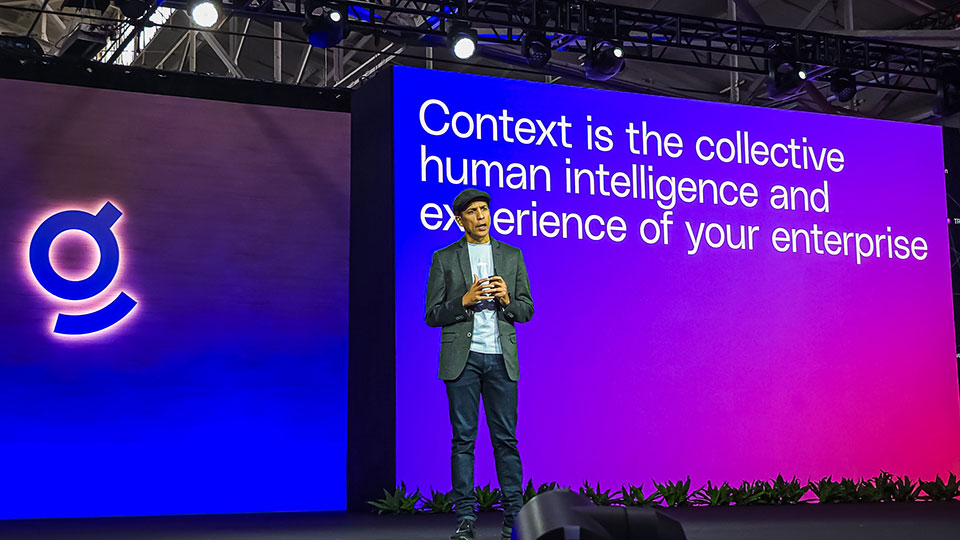
Grok Bot for Enterprise (4 minute read)
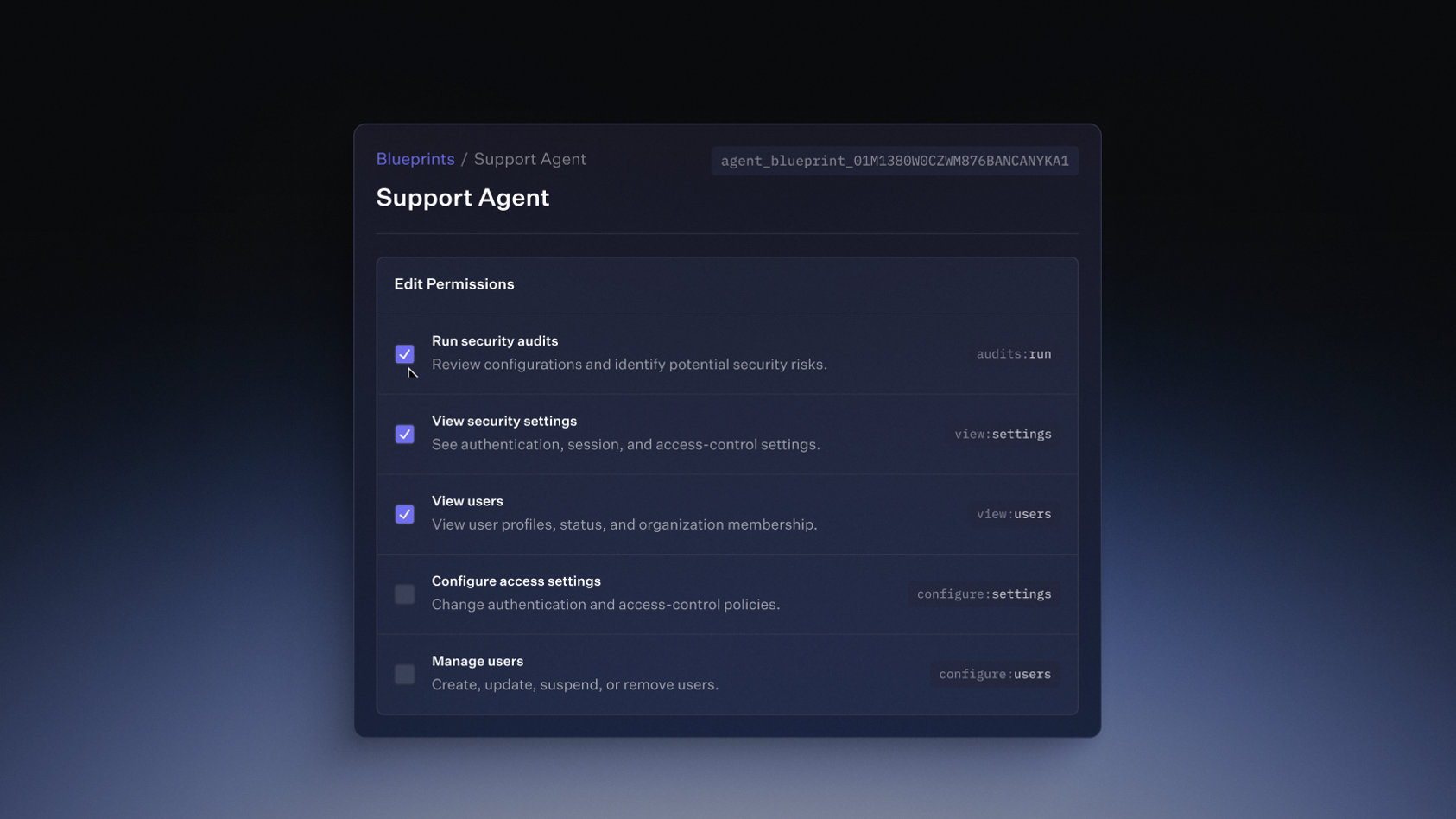
Grok Bot is now available for enterprises. Grok and Cursor Enterprise customers have free usage for the next two weeks. Users can invite their whole organization, including people without an existing seat. Each user's work in Grok Bot runs in its own secure and isolated environment, separate from every other user. A Bot has no access by default and reaches only the accounts you sign it into.
Aug 27 | Blog
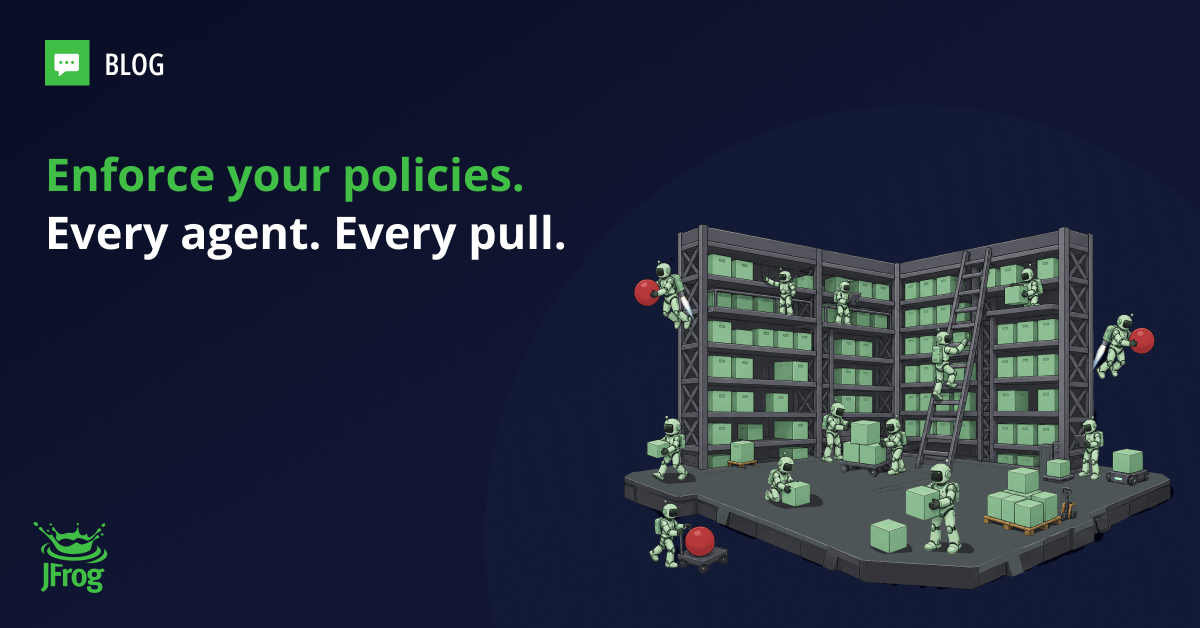
The Agentic Survival Guide: How Security and Marketing Leaders Can Learn to Trust AI Agents
AI agent traffic grew 7,851% in 2025. Security and marketing teams are both flying blind, and the fix runs through visibility, identity, and governance, in that order.
Sponsored
Sep 04 | Infosec
Coder's registry infrastructure compromised to push malicious modules (2 minute read)
An attacker added unauthorized IPs to Coder's Cloudflare pool for registry.coder.com and served credential-stealing Terraform modules between 07:35 and 21:45 UTC on August 31, exfiltrating cloud, CI/CD, OIDC, and SSH secrets to coder-infra[.]com. Patched releases are 2.37.0, 2.36.4, 2.35.7, and 2.34.9.

Sep 04 | Hardware
Micron reportedly explores near-GPU NAND, a flash tier sitting between HBM and the SSD (4 minute read)
Micron is reportedly investigating near-GPU NAND, high-endurance flash modules placed right on the GPU package where HBM sits today, aiming to fill the massive latency and bandwidth gap between HBM and a system's SSD. The pitch is memory-bound inference: large models buy extra accelerators purely to hold weights and KV cache, an expensive way to add capacity since HBM is the priciest, tightest-supplied memory around, so a cheaper flash tier fast enough to keep compute fed could let the same model run on fewer GPUs.
Sep 04 | Tech
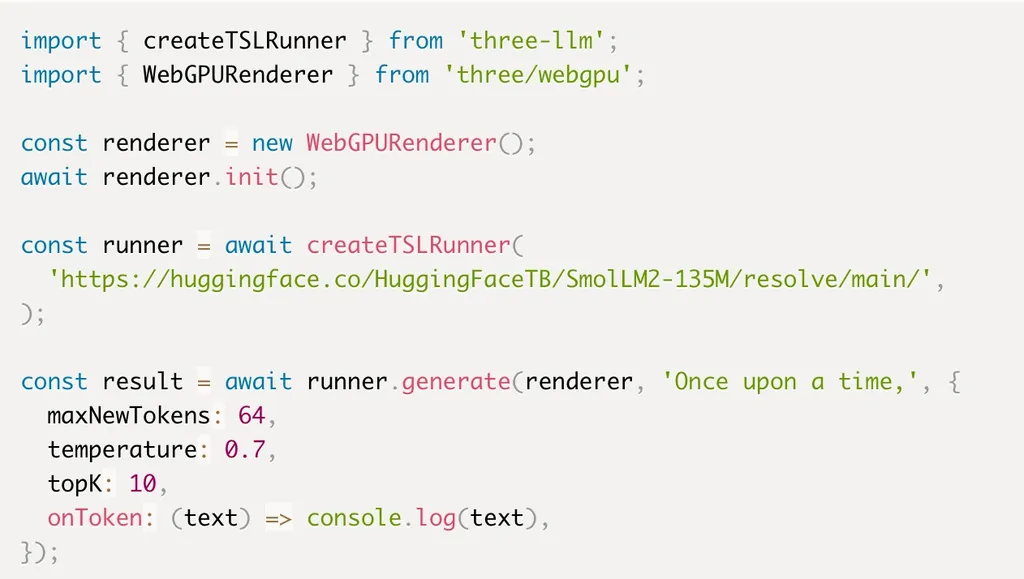
Running LLMs in the Browser with Three.js (17 minute read)
Three-LLM runs GPT-2, SmolLM2, Qwen, and Phi models locally in the browser by turning their inference graphs into Three.js TSL compute shaders on WebGPU. The project was created to see how far the general computer capabilities of Three.js and WebGPU can be pushed, and to see what today's small language models can do when they run in a browser. Three.js is known as a rendering library, but its WebGPU renderer also exposes storage buffers, compute dispatches, workgroup memory, atomics, and GPU readback. Large language models put all of those capabilities to work as they need hundreds of ordered compute dispatches, large matrix-vector products, reductions, persistent attention or recurrent state, and a tight loop between the GPU and JavaScript as each new token appears.