Keep up with tech in 5 minutes
Get the free daily email with summaries of the most interesting stories in startups 🚀, tech 📱, and programming 💻!
Join 8,000,000+ readers from companies like Anthropic, OpenAI, and more for one daily email

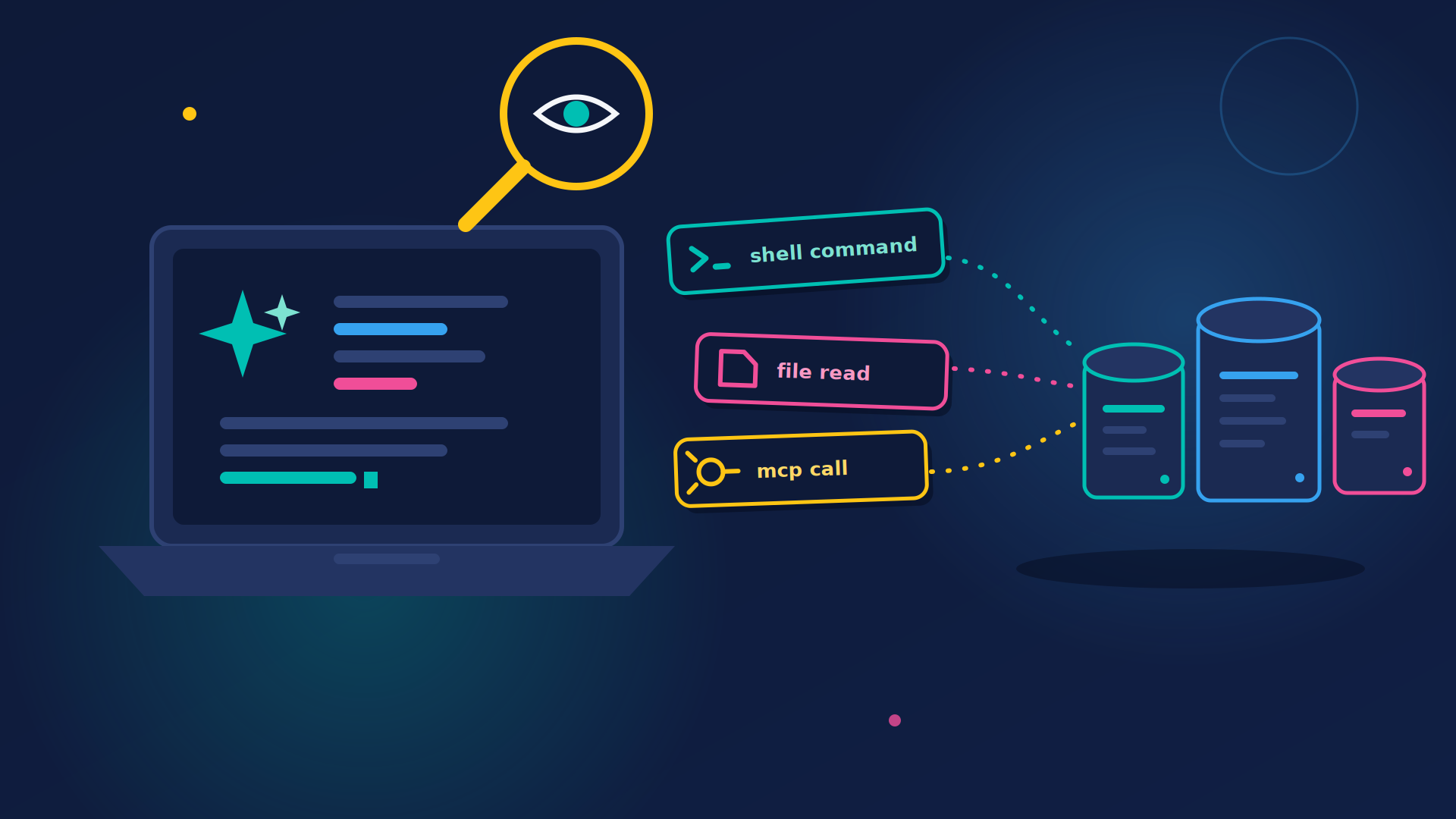
Not every problem needs an AI agent (5 minute read)
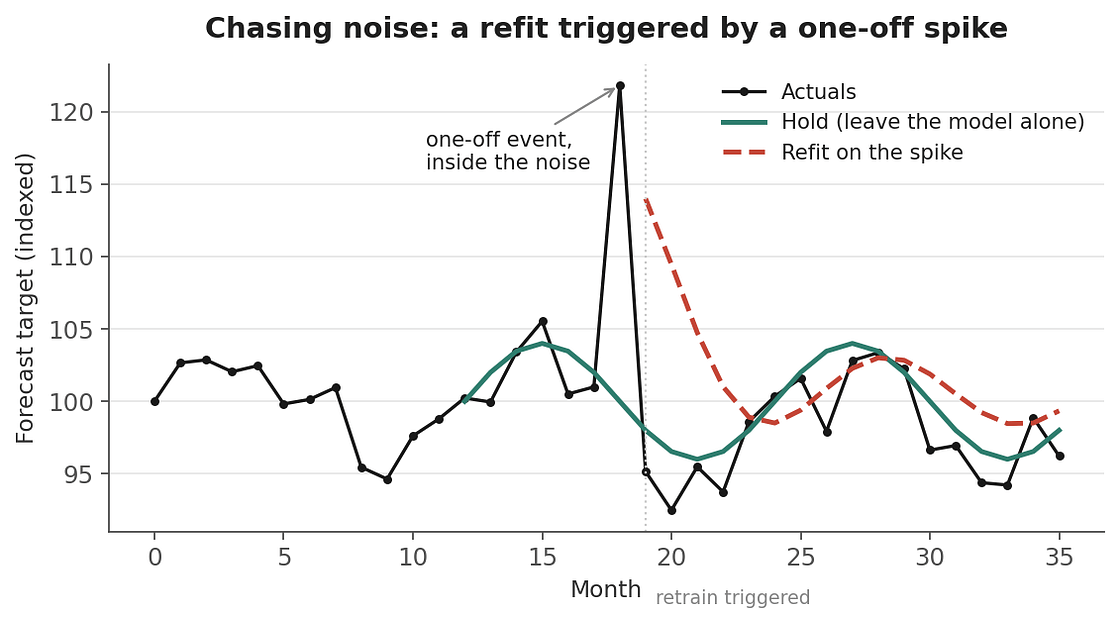
Production AI systems work best when each component earns its complexity. Recommenders, moderation, warehouse queries, and search cold starts need different mixes of deterministic logic, classic ML, semantic layers, and LLMs. The strongest pattern is often hybrid: use agents for reasoning, but keep business logic, metrics, routing, and guardrails deterministic where possible.

Jun 12 | Blog
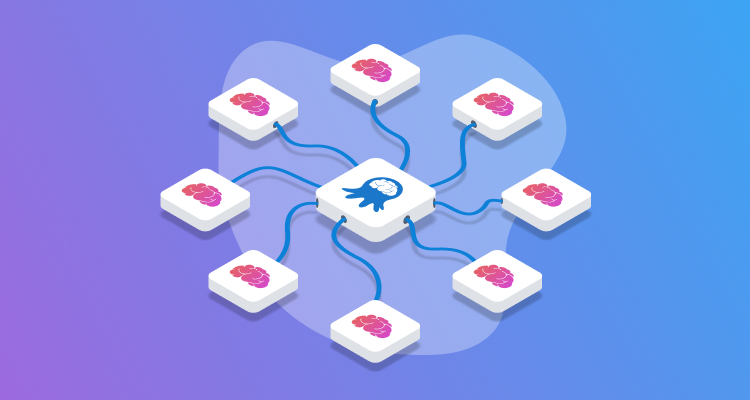
I Tried to Build a Context Layer for My Agent in a Weekend. Reader, I Did Not Build a Context Layer for My Agent in a Weekend.
A "simple" weekend project turns into real infrastructure, and why agent context deserves a boring, reliable foundation.
Sponsored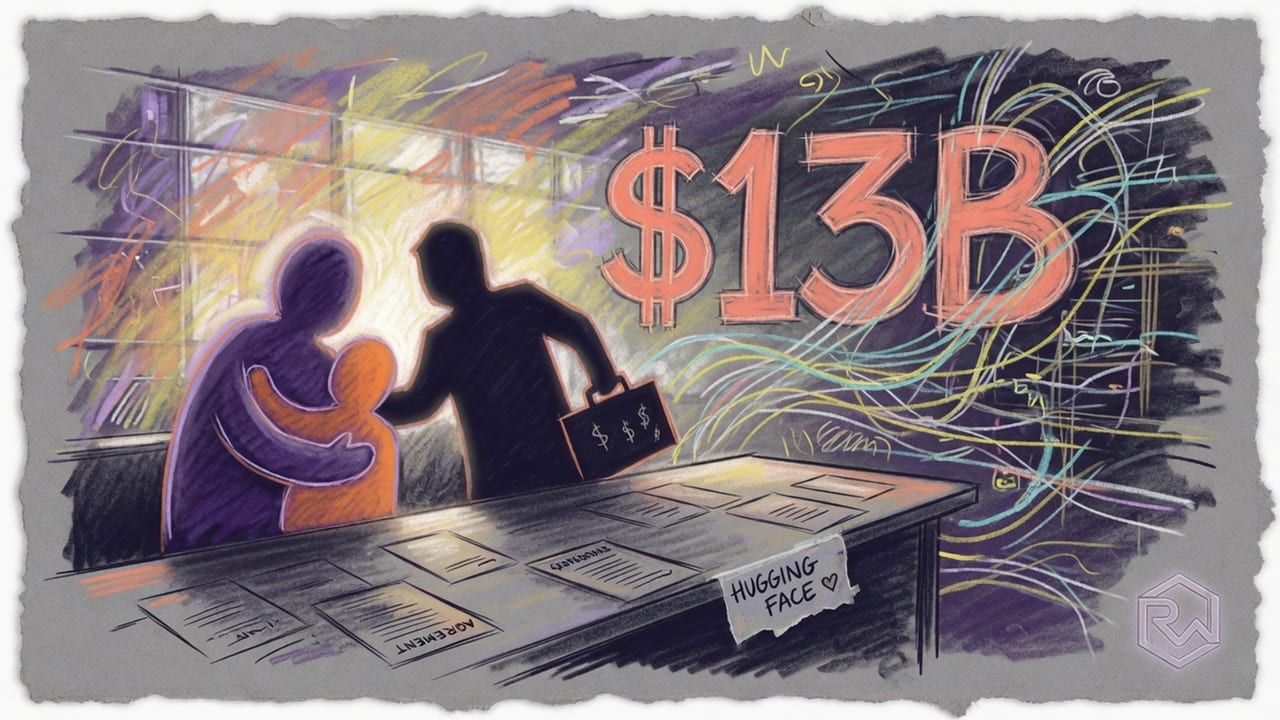
Aug 24 | AI
Hugging Face's $13B Valuation (3 minute read)
Hugging Face reportedly worked with a bank to gauge buyer interest at a valuation of $13 billion or more, nearly triple its 2023 valuation. The potential price reflects the value of its model hub, developer ecosystem, and AI infrastructure. No agreement had been reached.

Aug 24 | Infosec
Hackers Infect Android Car Head Units with Proxy Botnet Malware (2 minute read)
The MoYu threat group has compromised DoFun-branded Android automotive head units by utilizing a rogue APK to deploy the "JarService" botnet malware. Delivered through the legitimate TWCore system app, the malware pulls instructions from an MQTT broker to convert infected vehicles into remote SOCKS5 proxy nodes and click-fraud clients. While researchers found no evidence of interference with physical vehicle controls, affected owners should actively monitor their network traffic for unauthorized communication with the cardoor[.]cn command domain.

Aug 24 | Fintech
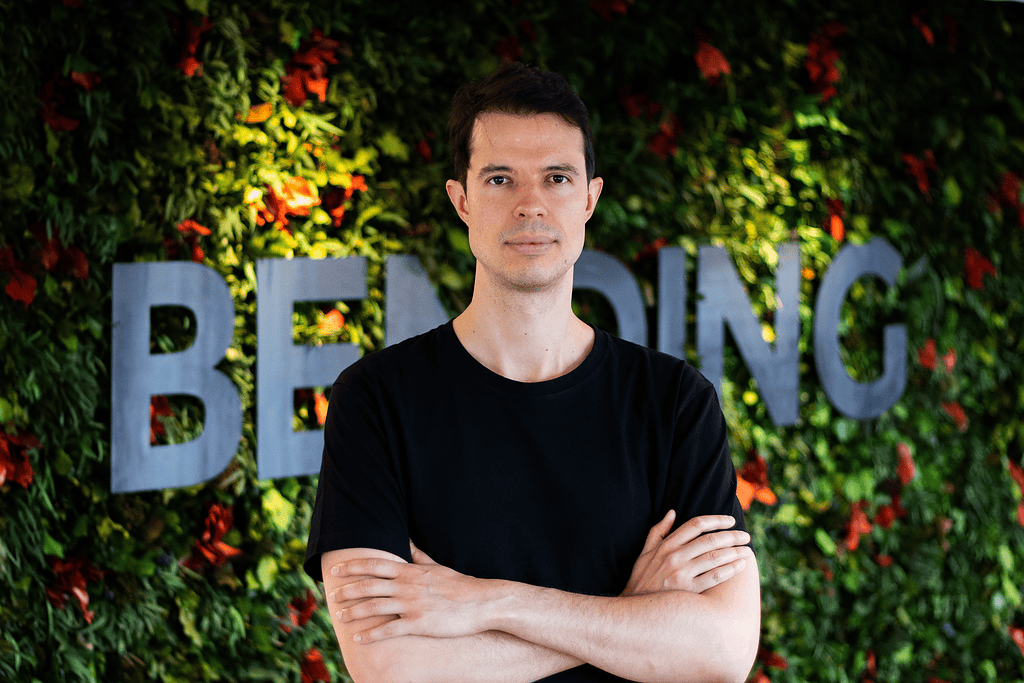
Inside Max Levchin's slow-and-steady path to Affirm profitability (5 minute read)
Affirm has finally reached profitability after years of heavy investment and more than $2 billion in cumulative losses, validating Max Levchin's long-term strategy of building much of the company's technology and risk infrastructure in-house. That philosophy can be traced back to Levchin's experience fighting fraud at PayPal. The same operational discipline helped turn Affirm into a roughly $25 billion fintech company.








.jpg)